Community Games Support · Brisbane
Connect through the games you love.
Turn an interest in gaming into opportunities for shared experiences, friendships and community connection. You love gaming – let's explore where that interest could take you.
Gaming is the starting point. People are the value.
A game you already love can open the door to people who love it too – and to the confidence and skills that grow when you play together regularly.
Meet people who share your interests
Find players who enjoy the same games and build friendships over time.
Become part of a community
Share experiences around the table and find a place where you feel comfortable.
Grow confidence
Play regularly, try new venues and feel more at ease in social settings.
Build skills naturally
Practise communication, teamwork and problem-solving through something you enjoy.
- Interest
- Shared experience
- People
- Community
- Connection
Games and places we can explore
These are examples of in-person games and venues. If another game matters to you, we'll explore the opportunities around that interest. No previous experience is needed.
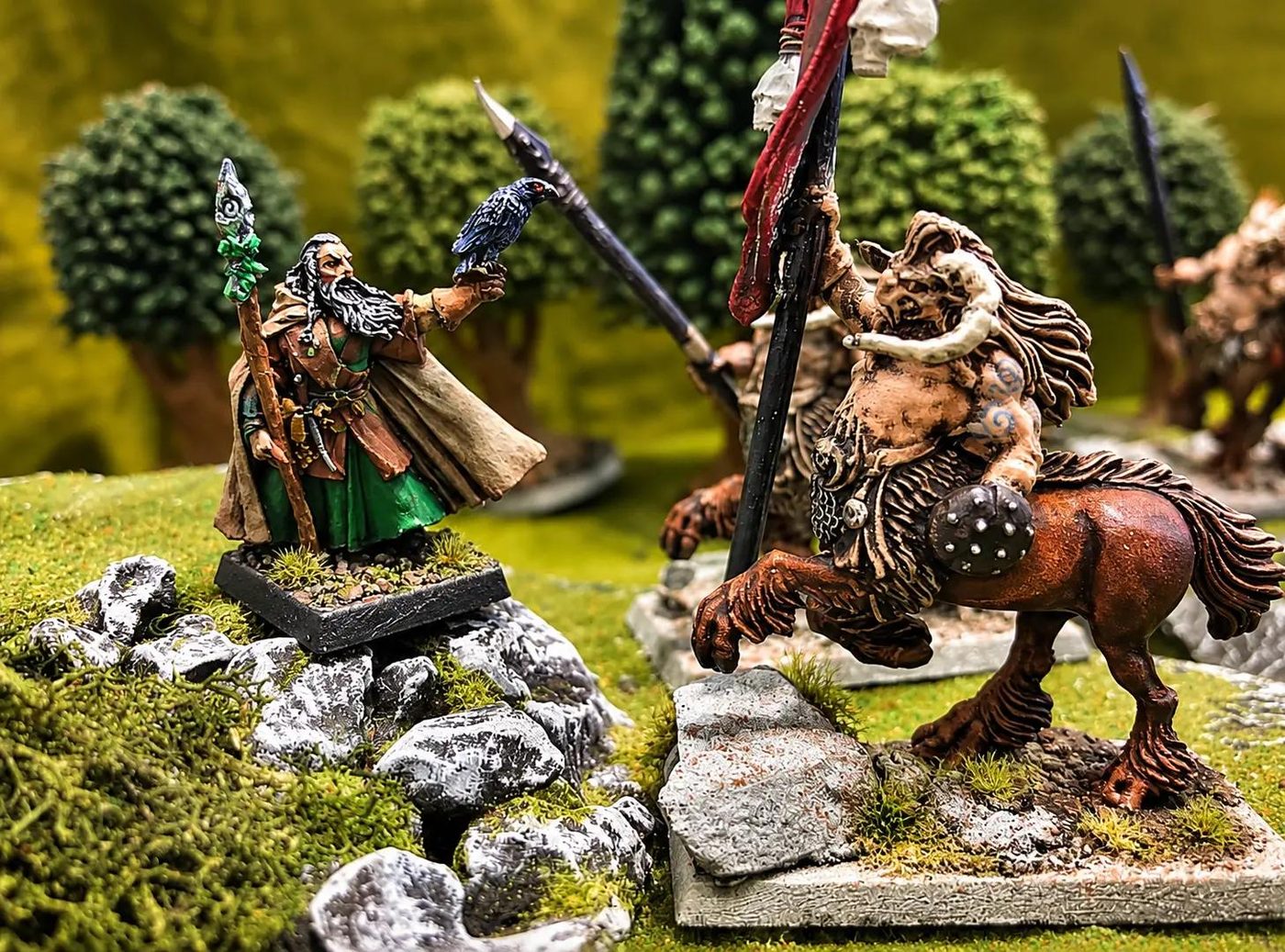
Dungeons & Dragons
Dungeons & Dragons is a collaborative storytelling game where players create characters and explore adventures together. It provides opportunities to build friendships, practise communication, make decisions and solve problems as a team. You don't need any previous experience to get started.
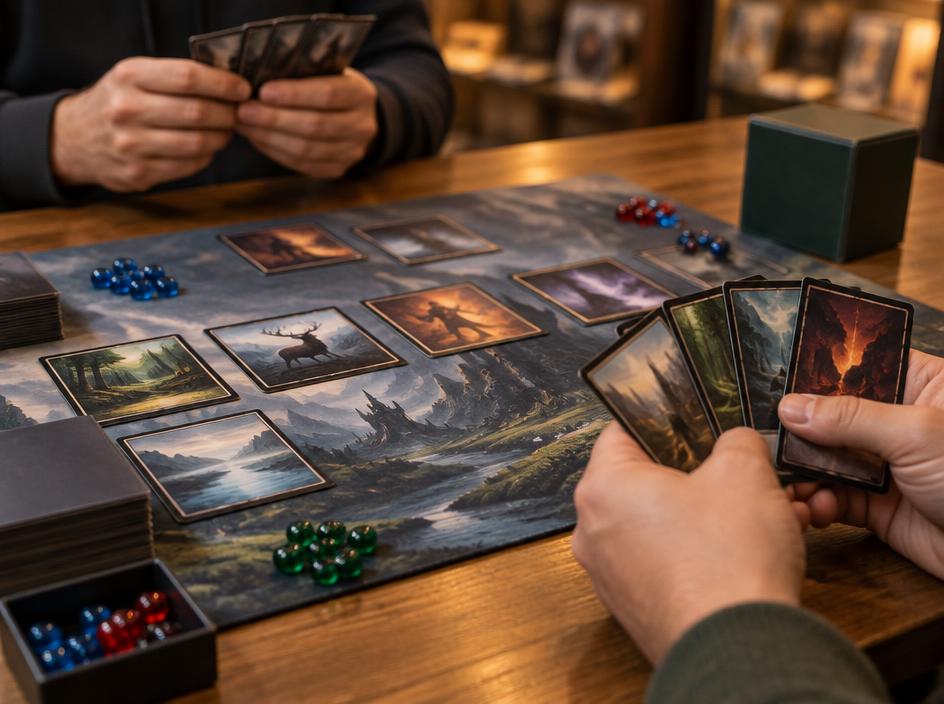
Trading card games
Games like Magic: The Gathering are played one-on-one or in small groups using decks you build yourself. Casual nights and trading give natural reasons to start conversations and meet regulars. Building decks and taking turns supports planning, patience and good sportsmanship.
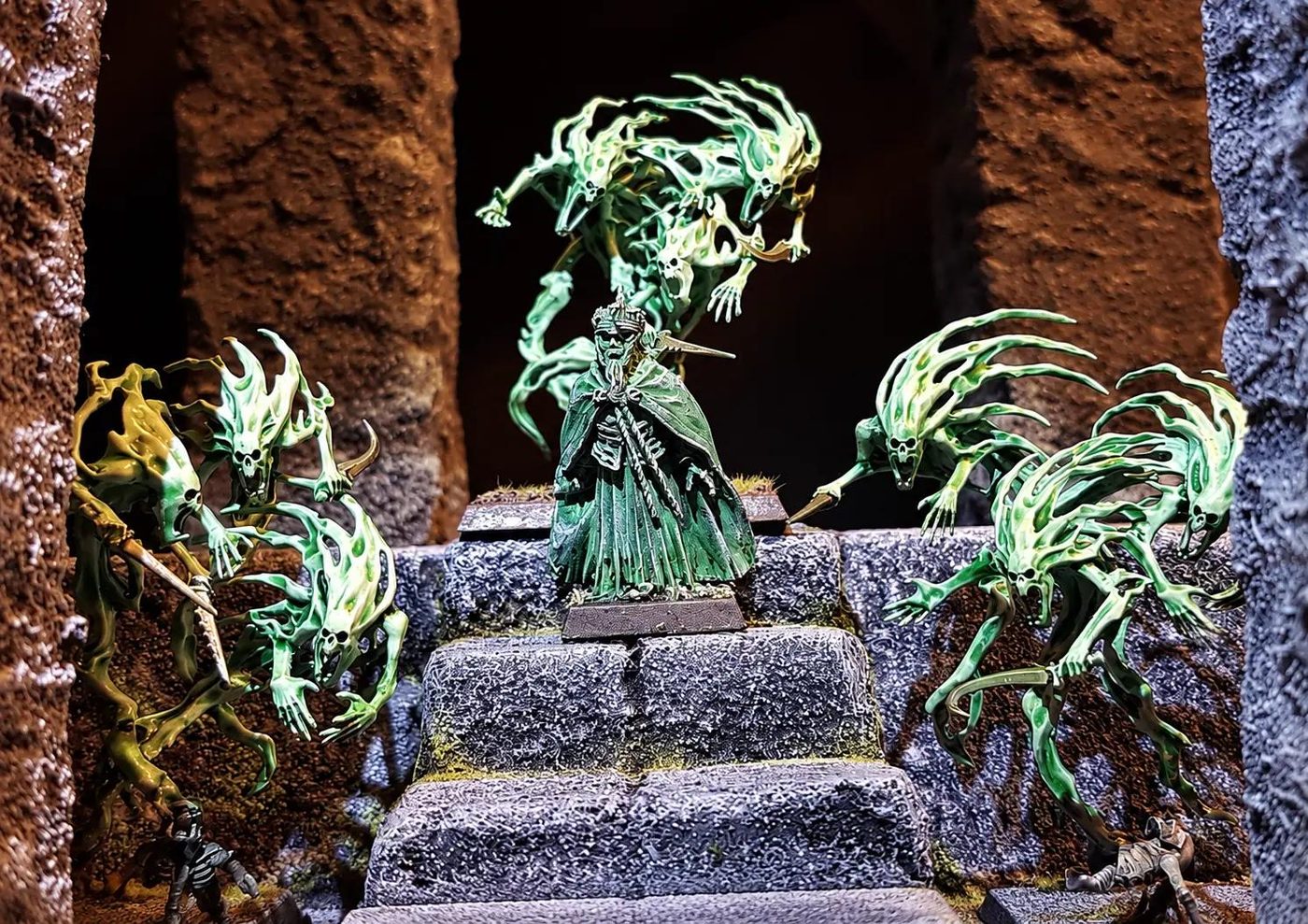
Warhammer & wargames
Wargames are tabletop battles played with armies of miniatures on detailed terrain. Players swap tactics, share their armies and often play the same opponents week to week, which builds familiarity. Learning rules and planning moves develops strategic thinking and focus.
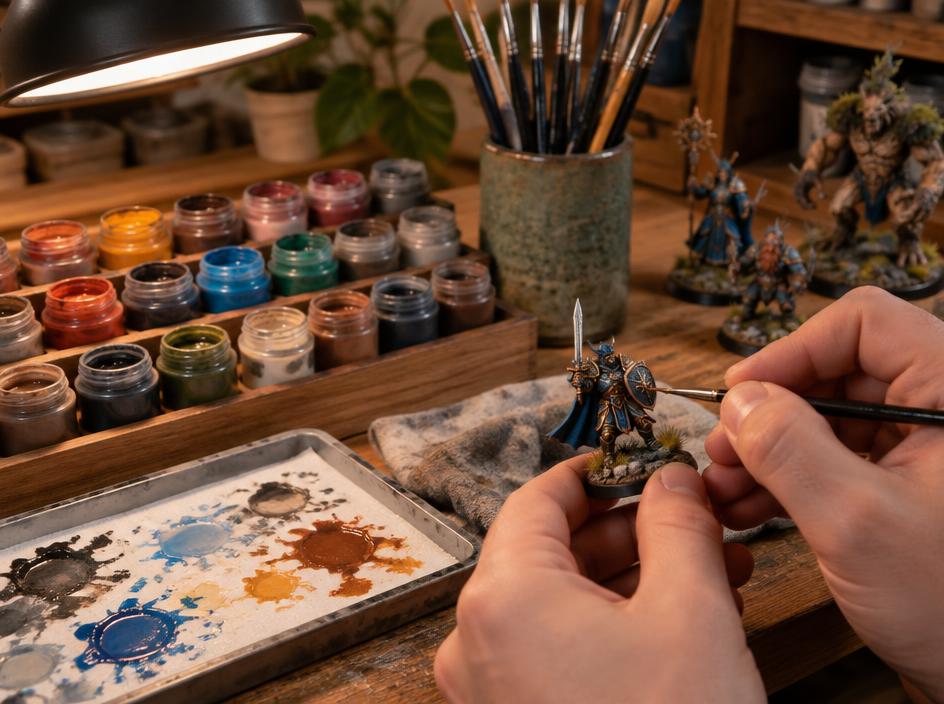
Miniature painting
Painting miniatures is a relaxed, creative hobby where you assemble and paint small models. Hobby nights let you work alongside others, share techniques and talk about your projects at your own pace. It builds patience, fine motor skills and pride in finished work. Beginners are welcome.
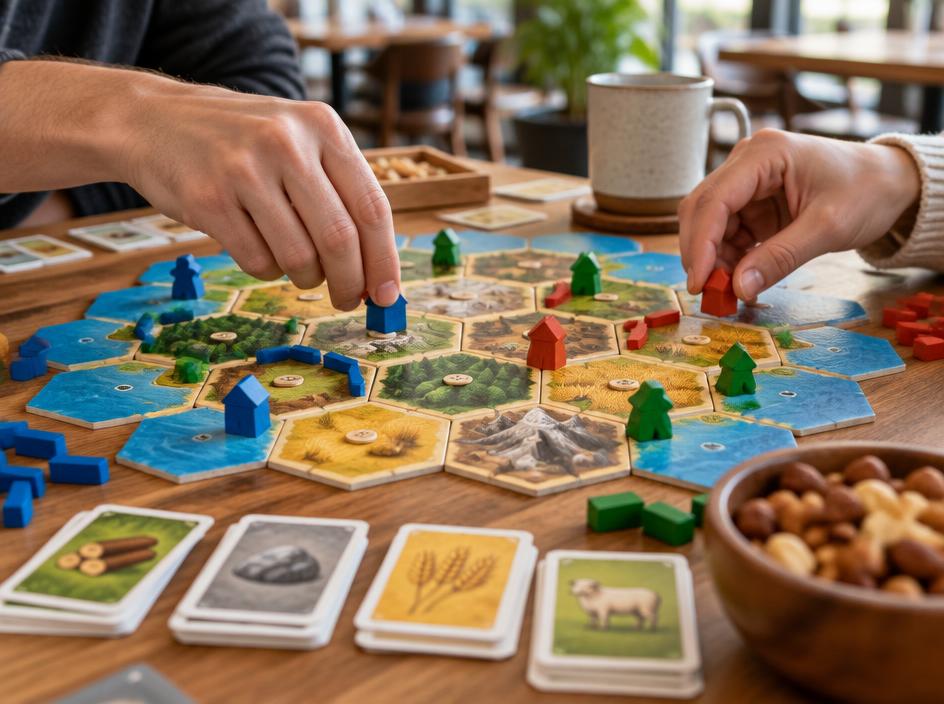
Board games
From quick card games to longer strategy games, board games are an easy way to sit down with new people. Game cafes and groups offer a friendly setting where the game itself gives everyone something to talk about. Players practise cooperation, turn-taking and problem-solving.
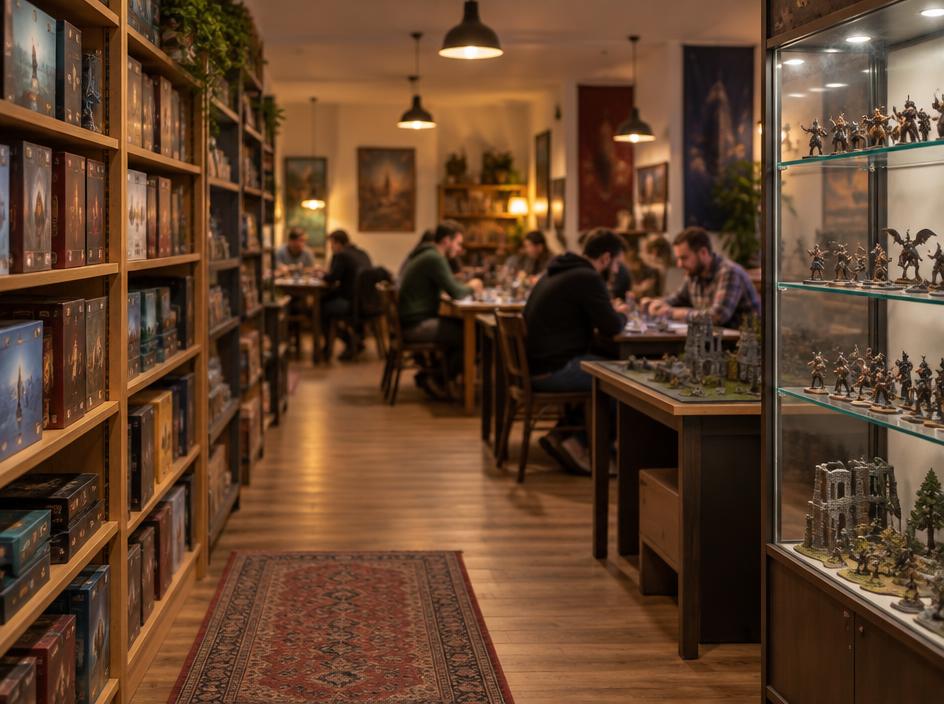
Hobby stores & events
Local hobby stores run game nights, organised play and events, and conventions bring whole communities together. Becoming a familiar face at a venue is often where lasting connections start. Visiting new places builds confidence, independence and comfort in busier settings.
Three ways in
Start wherever makes sense for you. There's no set order.
- 1
Find your community
Join existing gaming groups, campaigns, hobby stores, clubs and events with people who share your interest.
- 2
Build your community
Want to start your own group? We can help you plan it, find a venue and keep it going.
- 3
Start with support
New to a game? Learn how to play, visit a venue and meet people at your own pace.
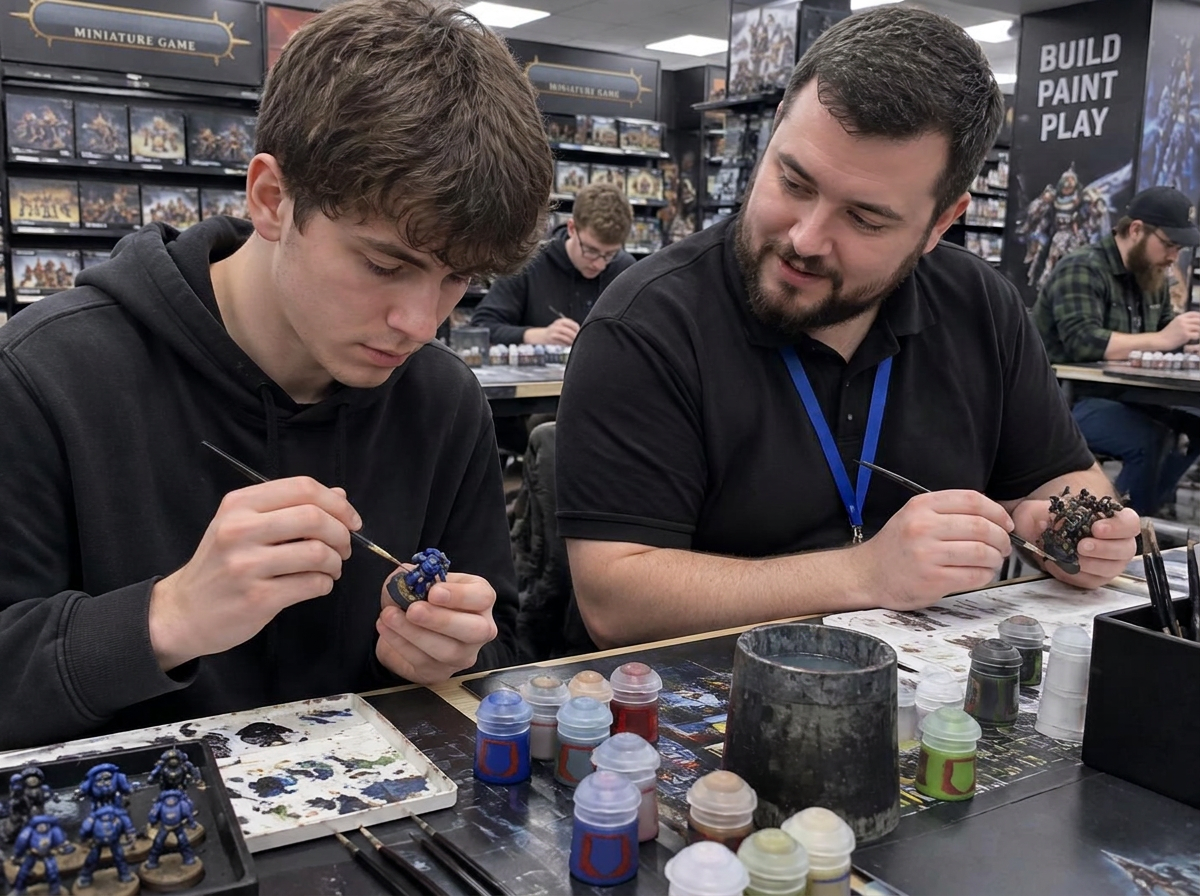
What Community Games Support looks like
Mainstream community, at your pace. Supported neurodivergent groups are an option, not the default.
A worker who gets you
We take the time to understand your interests, preferences and support needs. Where we can, we look for a worker who knows and enjoys the games you play.
Finding the right places
Together you look at local groups, venues and events, and get to know how sessions run and who's there.
Support that fits your readiness
Support adapts to your confidence and experience. It can be as visible or as discreet as you prefer – you choose the games, the pace and the people.
Joining in and building skills
Your worker supports you to take part, get to know people and practise skills like communication and planning along the way.
Stepping back over time
Where appropriate, support gradually reduces as your confidence grows and the community becomes the point.
Why Valiant understands gaming
Gaming is part of our story.
Gaming has been part of Valiant from the beginning. Director Scott Wilkinson is a board game designer and long-time tabletop gamer — D&D, Warhammer, Magic: The Gathering and more. His own gaming communities shaped our belief that shared interests lead to real connection.
About us
Getting started is simple.
Tell us what you're looking for
A short enquiry so we understand the basics.
Talk with our team
We get to know your interests, preferences and goals.
Explore the right support
We work towards matching you with an appropriate Valiant worker.
Start working towards what matters
Support focuses on goals and interests in everyday life.
Questions people ask
Is this just playing games with a support worker?
That can be a starting point. The bigger aim is shared experiences and relationships with people in the gaming community that can continue over time.
What if I've never played in person before?
That's completely fine. We can start by learning the game, visiting a venue when it's quiet and building familiarity before joining a session.
Does it have to be D&D or Warhammer?
No. Those are popular examples. If a game matters to you, we'll explore where that interest could lead.
Will it be a disability-only group?
Not unless that's what you'd like. Valiant may offer some supported groups, but we mostly look for connection with the wider gaming community.
Can this be funded through the NDIS?
Community Games Support may align with social and community participation goals in an NDIS plan. We can talk through how it fits your plan when you get in touch.
What would you like to work towards?
Whether it's finding your gaming community, starting a group or trying a new game, we'll start with what matters to you.
Get startedStarting an enquiry doesn't commit you to services.
Prefer to talk first?